Pain Classification
- region affected
- systems involved (visceral, nervous system, musculoskeletal, cutaneous-subcutaneous)
- etiology (trauma, infection, inflammation, degeneration, genetic-congenital causes, psychological causes)
- duration (acute, chronic)
- temporal characteristics (single episode, continuous, paroxysmal, intermittent)
- mechanism-based (somatic, visceral, nociceptive, neuropathic, etc)
History of Pain Research
- pain-gate theory of the early 1960's (Wall & Melzack)
- acceptance of the multidimensional nature of pain and recognition of the importance of behavioural factors in the expression of pain
- discovery of nerve endings that are specifically activated by tissue damage (nocicpetors) with unique ion channels
- findings of processes related to the release of inflammatory mediators which enhance the excitability of nociceptors
- documentation of nociceptor pathways to spinal cord neurones, brainstem and higher centers
- findings of segmental sensory modulation and descending facilitatory and inhibitory influences through opioids, chatecholamines, and other endogenous neurochemicals
- molecular cloning of neurochemicals and receptors related to pain
- documentation of neuroplasticity of the central nociceptive pathways and processes that can amplify pain
- improved and more diversified approach to diagnosis and management of pain through novel pharmacological techniques, psycho-behavioural methodology, virtual reality training and imaging techniques (fMRI, PET) which have determined the modification of sensory, cognitive, emotional and attentional functions
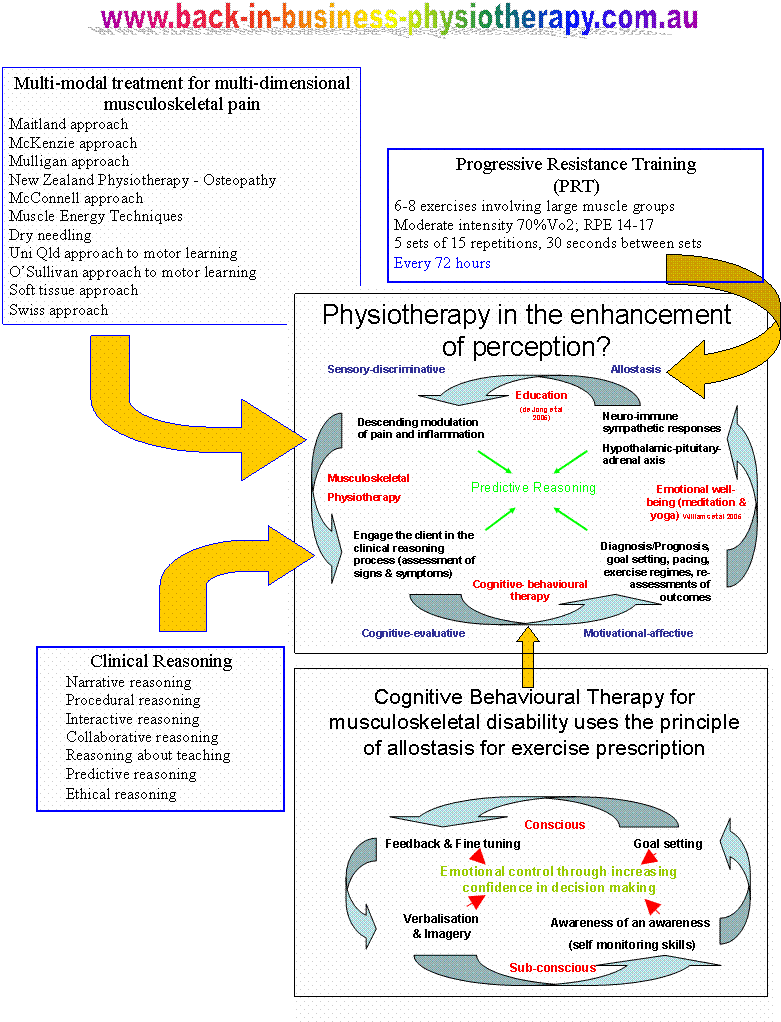
- practitioner acceptance/recognition of multimodal approaches for the treatment of a multifactorial & multidimensional problem - 'sensory discriminative', 'cognitive', 'affective/emotional' and 'motivational' dimension
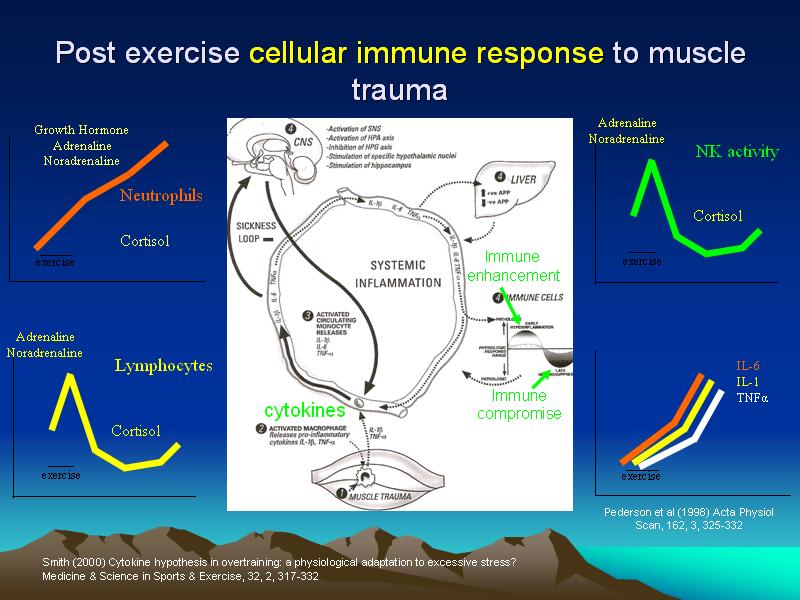
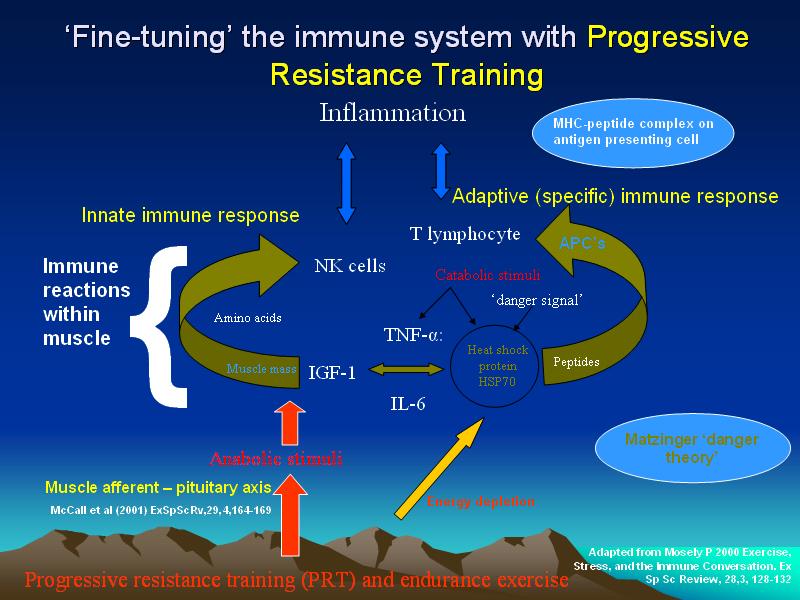
- immune responses
Pain Theories
- hard wired lines from 'pain receptors' to specific regions in the CNS that process only pain-related signals - "the specificity theory"
- noxious stimulation activates several different types of receptors and that the summation of the signals in the CNS leads to pain - "the summation theory"
- a pattern of signals produced by noxious stimulation results in a distinct recognition of pain over other sensations - "the pattern theory"
- sensory stimulation interacting with nociceptive input - "the sensory interaction theory"
Pain Generating Mechanisms
- Spontaneous ectopic activity in damaged primary afferent nociceptors (PANs)
- Increased mechanical or thermal sensitivity of PANs
- Adrenergic mediated sensitization of PANs
- Neurogenic and non-neurogenic inflammation
- Loss of central inhibitory effects of myelinated primary afferents
- Reorganization of spinal cord connectivity
- Spontaneous activity in deafferented spinal pain transmission neurons (SPTNs)
- Prolonged excitation of SPTNs
- Ectopic impulse generation from the dorsal root ganglion (DRG)
- Sympathetic/DRG ectopic impulse excitation
Pain Modulating Mechanisms
- Descending sensorimotor cortical and pontine sympathetic modulation onto the superficial dorsal and ventral horn of the spinal cord
- Peripheral non-noxious input onto WDR neurons in the dorsal horn of the spinal cord
- Inhibition of peripheral nociceptors through peripheral sympathetic and DRG mechanisms
- Intra cortical, cerebellar and brainstem modulation of pain (PET images)

Hungary - near Budapest 1989
Updated 23 June 2013