Stress, Exercise and the Immune Conversation - what is overtraing?
Power Point slide presentation at a key-note address for the inaugural New Masters conference : Rome 7-9 October 2005, updated 2017
Invited by my ex-student Alfio Albasini
by Martin Krause
Bachelor of Applied Science (Physiotherapy)
Masters of applied Science (Manipulative Physiotherapy)
Graduate Diploma Health Science (Exercise and Sports Science)
Certificate IV Workplace Assessment and Training
Graduate Certificate Health Science Education
Exercise for musculoskeletal disability has been advocated for both acute and chronic musculoskeletal conditions, yet it involves the paradox of the balance between anabolic and catabolic stressor states which can have profound effects on our immune systems. Over-reaching in daily life and over-training to balance cognitive stressors may be creating more harm than good. It is the role of physiotherapy to enhance the community's ability to adapt to modern stressors with a broad but specific exercise prescription response to the prevention of chronic illness.

"The human organism has a huge capacity to recuperate if it is stressed but not strained" (Percy Cerutty, Why Die? 2003). "The hardest thing to attend to is that which is very close to ourselves, that which is most constant and familiar, and this closest 'something' is precisely, ourselves, our own habits and ways of doing things.... this can lead to profound improvements of mental 'posture' and thinking as a result" (Frederick Matthias Alexander - a famous Tasmanian)

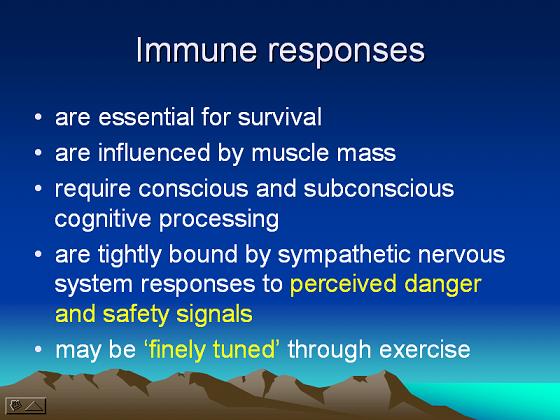
Exercise and the compromised immune system
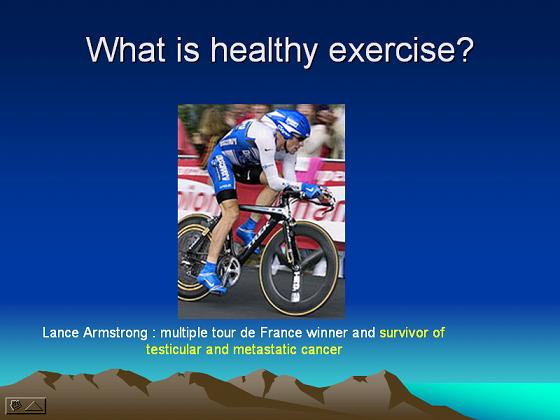
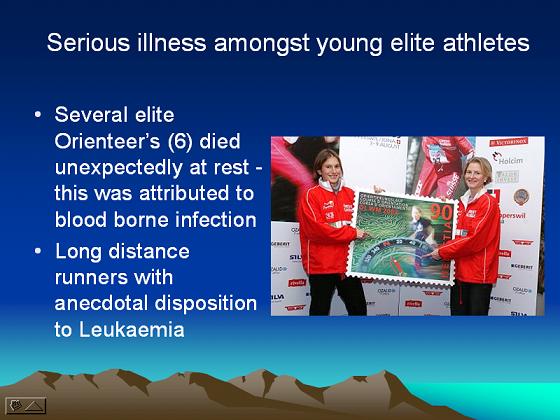

Friman et al (1997); Interaction between infection and exercise with special reference to myocarditis and the increased frequency of sudden deaths among Swedish orienteers 1979-92. Scandinavian journal of Infectious Diseases Supplement, 104, 41-49
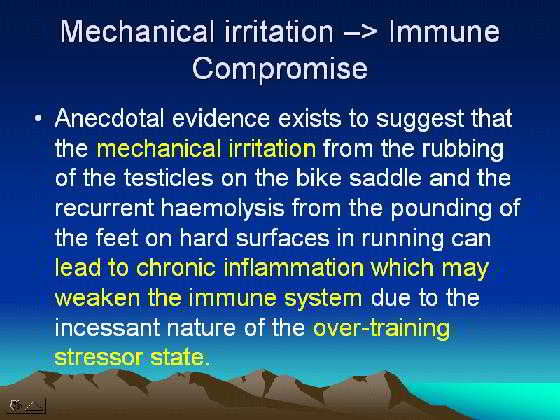
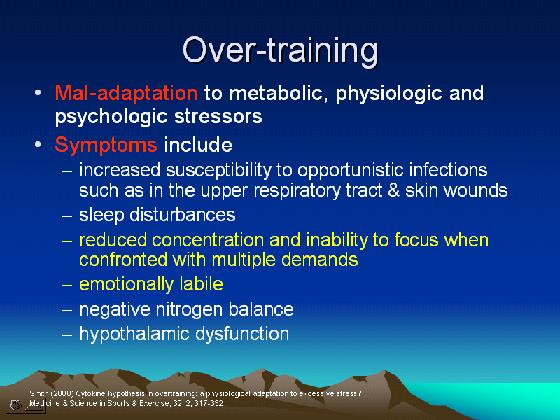
Over-reaching or over-training
Sleep plays a critical role not only in recovery but also in the restoration of function of the immune system. Immune system can be discussed in terms of cellular (T helper cell Type I) and hormonal (T helper cell Type II) components. Each part has a counter-balancing regulating effect on the other. Th1 has an active role in fighting pathogens such as viruses and some bacteria (common in traveling teams and sports where open wounds can occur) as well as a role in fighting inflammation. Whereas, Th2 cells play a role in fighting against most bacteria as well as parasitic worms (Clow & Hucklebridge 2001 Ex Immun Review 7; 5-17, and Miyazaki et al 2005, Biol Psychol, 70, 1, 30-37). Cortisol, Prolactin, Melatonin and Growth Hormone have all been implicated in having a balancing affect on Th2 cells. During the early phases of sleep, the immune system is pushed towards the Th1 profile which is associated with the inflammatory processes. During the early phase (30-45minutes) of waking cortisol levels rise between 50 -150% creating a Th2 bias (Cutalo et al 2005, Autoimmunity Reviews 4, 8, 497-502) and hence a bias away from a pro-inflammatory profile. This may be why people may feel stiffer in the morning as a result of injury or over-training.
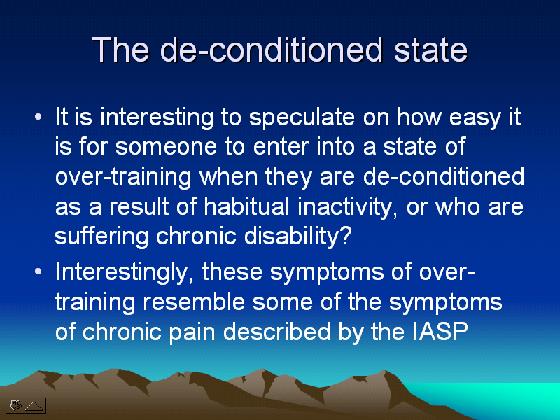
The de-conditioned state
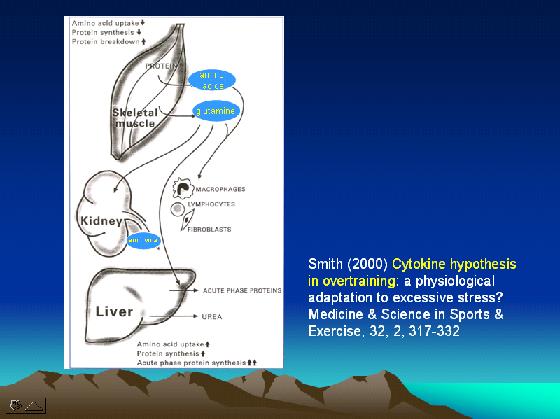
Cytokine responses to over-training/over-reaching
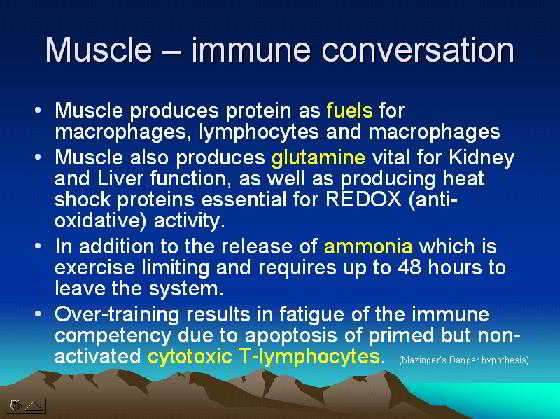
Muscle-immune conversation
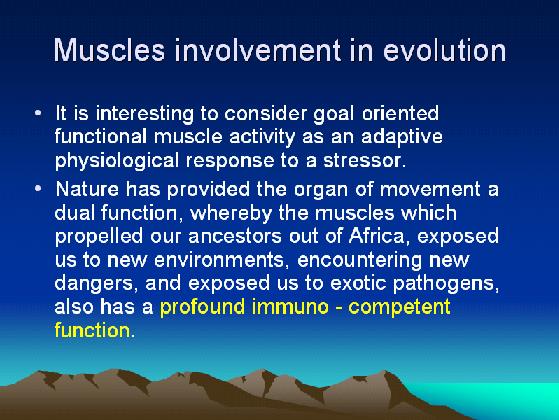
Evolution
Mitochondrial electron transport in models of neuropathic and inflammatory pain. Elizabeth K. Joseph and Jon D. Levine (2006)
Department of Medicine, Division of Neuroscience and Biomedical Sciences Program, University of California at San Francisco, 521 Parnassus Ave, Box # 0440/C522, San Francisco, CA 94143-0440, USA
Department of Oral and Maxillofacial Surgery, Division of Neuroscience and Biomedical Sciences Program, University of California at San Francisco, 521 Parnassus Ave, Box # 0440/C522, San Francisco, CA 94143-0440, USA
Abstract
Although peripheral nerve function is strongly dependent on energy stores, the role of the mitochondrial electron transport chain, which drives ATP synthesis, in peripheral pain mechanisms, has not been examined. In models of HIV/AIDS therapy (dideoxycytidine), cancer chemotherapy (vincristine), and diabetes (streptozotocin)-induced neuropathy, inhibitors of mitochondrial electron transport chain complexes I, II, III, IV, and V significantly attenuated neuropathic pain-related behavior in rats. While inhibitors of all five complexes also attenuated tumor necrosis factor a-induced hyperalgesia, they had no effect on hyperalgesia induced by prostaglandin E2 and epinephrine. Two competitive inhibitors of ATP-dependent mechanisms, adenosine 5'-(ß,?-imido) triphosphate and P1,P4-di(adenosine-5') tetraphosphate, attenuated dideoxycytidine, vincristine, and streptozotocin-induced hyperalgesia. Neither of these inhibitors, however, affected tumor necrosis factor a, prostaglandin E2 or epinephrine hyperalgesia. These experiments demonstrate a role of the mitochondrial electron transport chain in neuropathic and some forms of inflammatory pain. The contribution of the mitochondrial electron transport chain in neuropathic pain is ATP dependent.Keywords: ATP; Electron transport chain; Mitochondria; Neuropathy; Pain; Rat
Pain
Volume 121, Issues 1-2 , March 2006, Pages 105-114
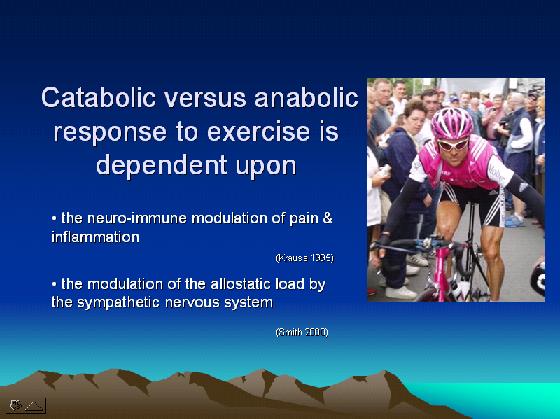
Stress
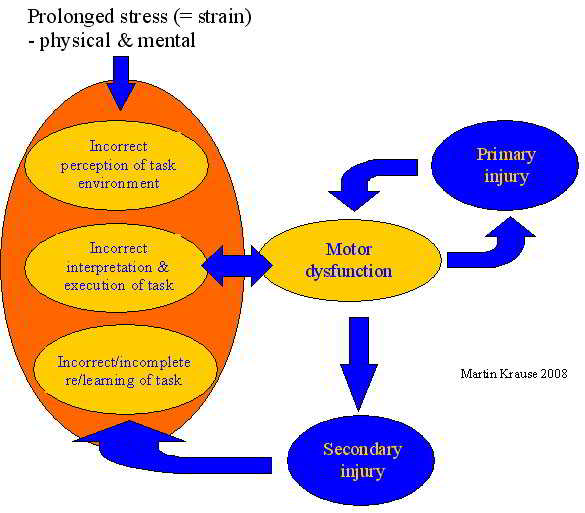
Stress affects the systems of motor control and thereby enhances susceptibility to injury and/or prolongs the period required for recovery.
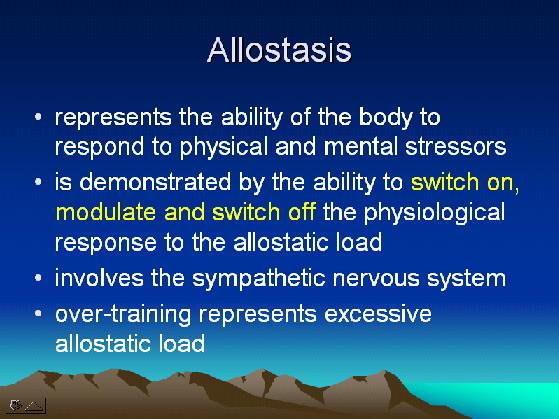
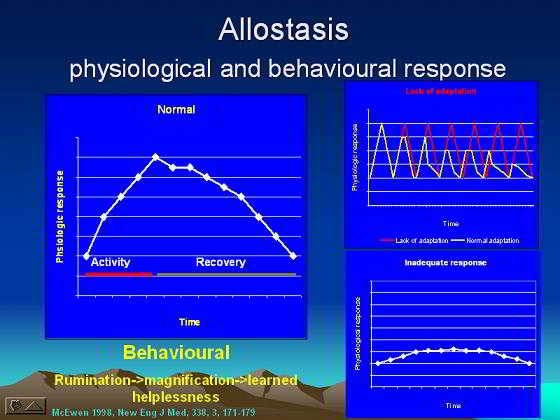
The role of allostasis for the development of enhanced exercise tolerance
Matzingers danger hypothesis
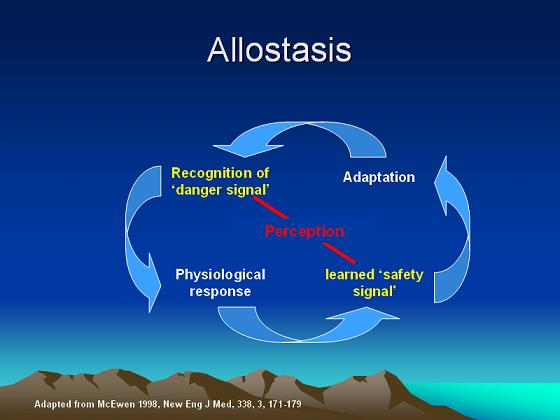
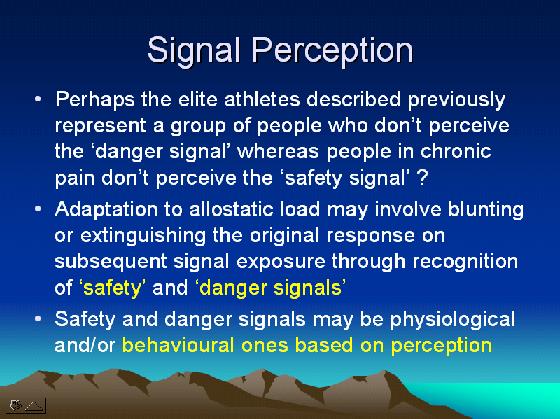
Signal perception
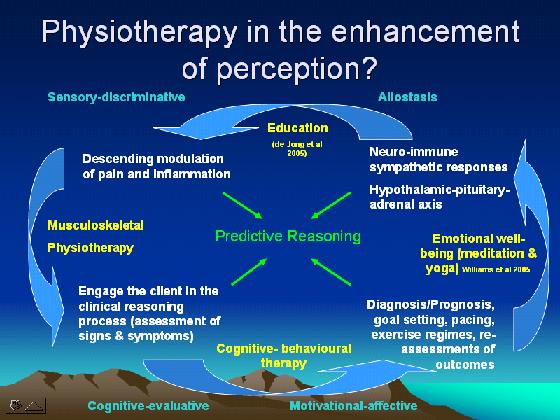
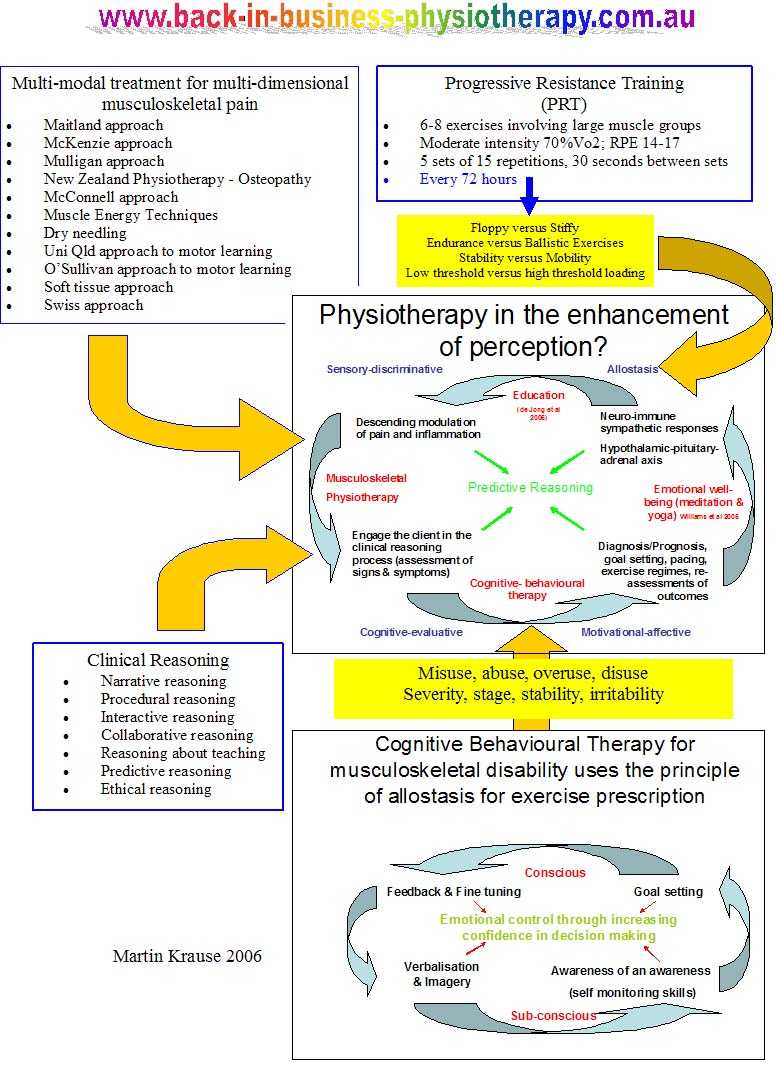
Clinical reasoning, the neuro-matrix and allostasis in explaining the role of musculoskeletal physiotherapy in health and disease.
Macrophages are necessary for skeletal muscle regeneration. Pro-inflammatory macrophages stimulate myoblast proliferation, whereas anti-inflammatory macrophages stimulate their differentiation. Macrophages that invade skeletal muscle soon after injury present a specific phenotype, characterized by high expression of TNF-alpha, interleukin-1beta and secretory leukocyte protease inhibitor (SLPI). Non-phlogistic phagocytosis of the apoptotic and necrotic debris switches the phenotype of pro-inflammatory macrophages into anti-inflammatory macrophages. Consequently, there is a high expression of Transforming Growth Factor- Beta (TGF-beta), interleukin - 10 (IL-10), and peroxisome proliferator-activated receptor - gamma (PPAR-gamma) which have been shown to be associated with the resolution of inflammation and tissue repair (Chazaud et al 2009)
Chazaud B, Brigitte M, Yacoub-Youssef H, Arnold L, Gherardi R, Sonnet C, Lafuste P, Chretien F (2009). Dual and Beneficial Roles of Macrophages During Skeletal Muscle Regeneration. Exercise and Sports Science Reviews, 37, 1, 18-22
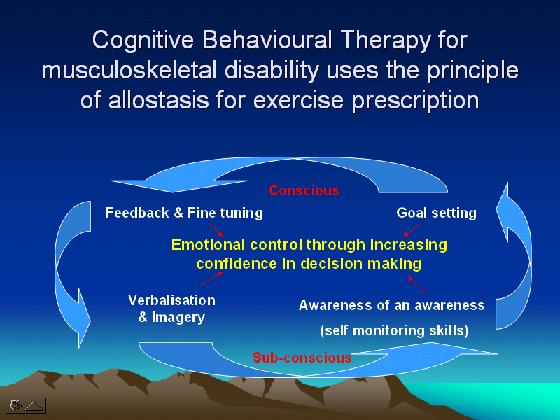
Cognitive Behavioral Therapy for exercise prescription
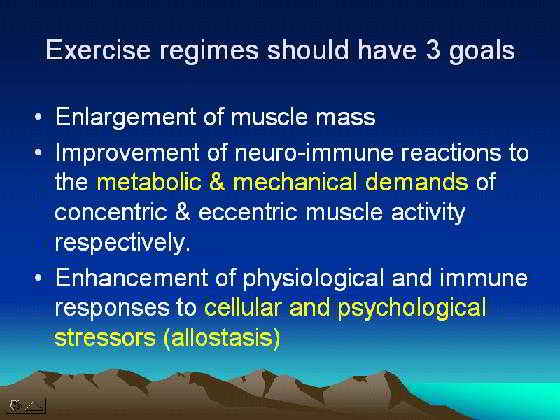
Exercise regimes should have 3 goals
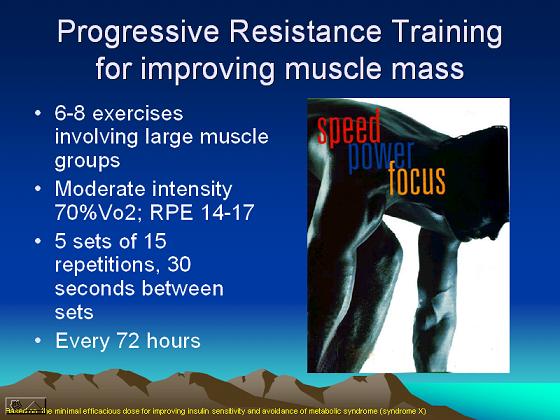
Exercise prescription
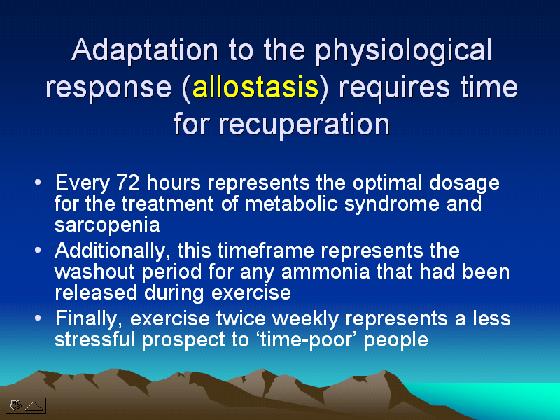
Allostasis
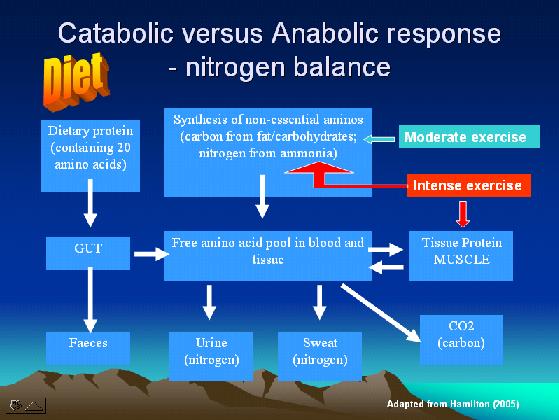
Nitrogen balance
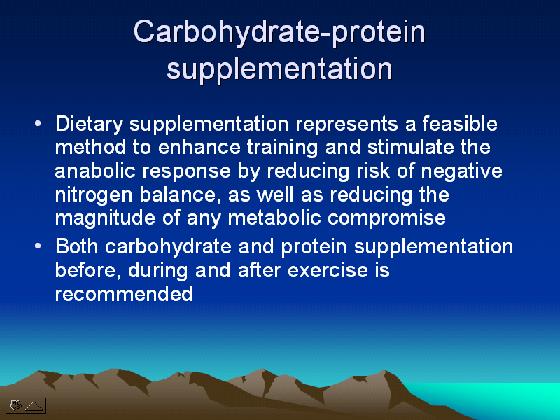
Carbohydrate - protein supplementation
link to nutritional supplementation
The role of muscle mass and immune function?
Muscle as an immune organ
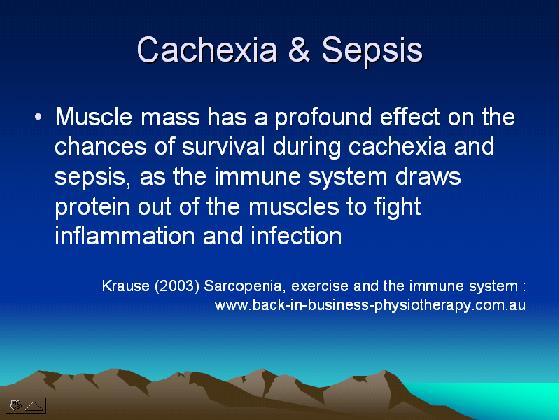
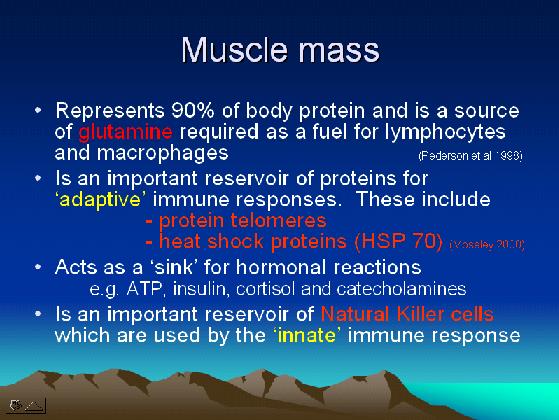
Muscle as a protein reservoir
Pre and post exercise cellular immune responses to muscle trauma
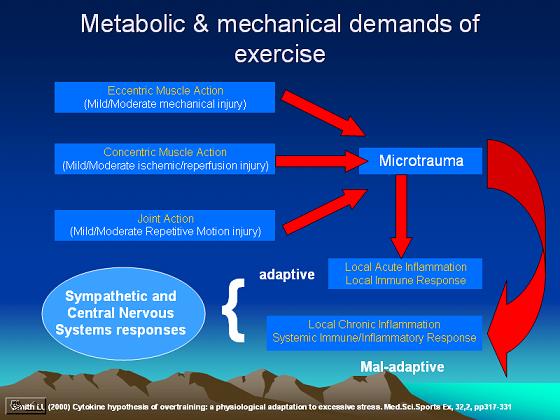
Metabolic and mechanical demands of exercise

click on image for enlargement
Post exercise "cellular immune response"
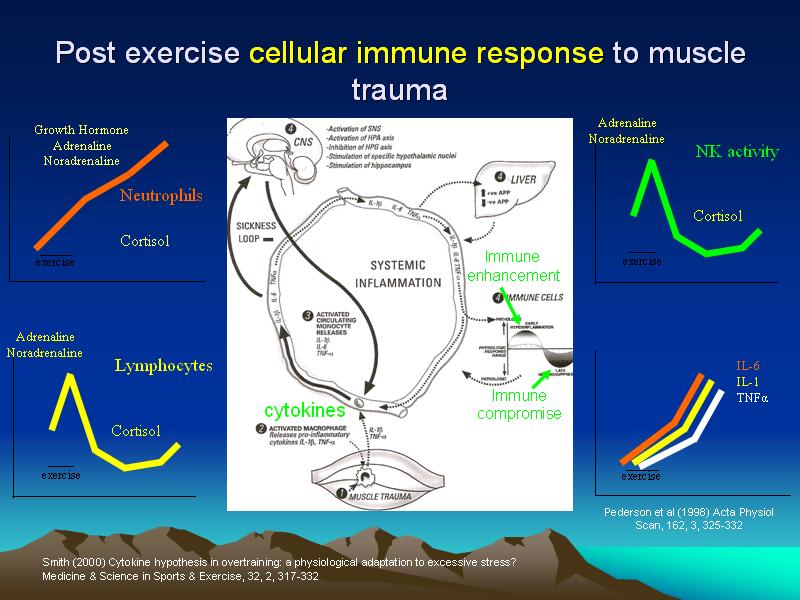
click on the image above to see an enlarged view
Effects of "inflammaging" on the inflammatory-immune-oxidative response to the Stretch-Shortening cycle
Age related differences have been demonstrated from stretch-shortening-contraction exercises. At day 3, muscles of young rats respond with a robust secondary response including an increase in interstitial space, cellular interstitium, muscle fibre degeneration, gene expression, and cytokine/chemokine protein levels, whereas old rats did not. Accompanying the lack of degenerative/regenerative response was a sustained force deficit. Additionally, oxidative stress-relevant pathways such as glutathione-mediated detoxification, GADD45 signaling, and nuclear factor mediated oxidative are high and remain unchanged with SSC injury exposure, whereas for young animals the REDOX environment is heightened by SSC-injury exposure and begins to return to normal physioolgical levels by day 10. The notion thus exists, that a timely secondary response is necessary for clearing sites of damage and attracting functional satellite cells for recovery. Cytokines, Interleukin-1 and 10 and chemokine ligand 2 (CCL2) are thought to play significant roles in the latter. Paradoxically, IL1 and IL10 and CCL1,2 and 3 have all been shown to be elevated 2-4 fold in elderly populations. Chronic subclinical inflammation and inflammatory signalling has been called "inflammaging". Manipulating exercise prescription by using SSC training only 2 versus 3 times per week was found to increase muscle mass, regardless of age. Thus, additionally recovery time results ina more favorable REDOX environment (Rader & Baker 2017, Exerc Sp Sc Rev, 45, 4, 195-200).
Memory and the Hippocampus
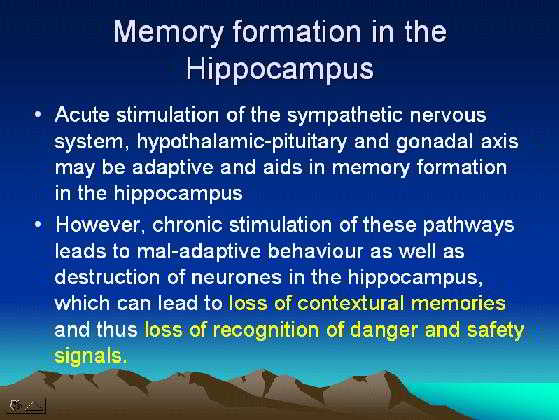
Fine tuning the immune system through progressive resistive exercise
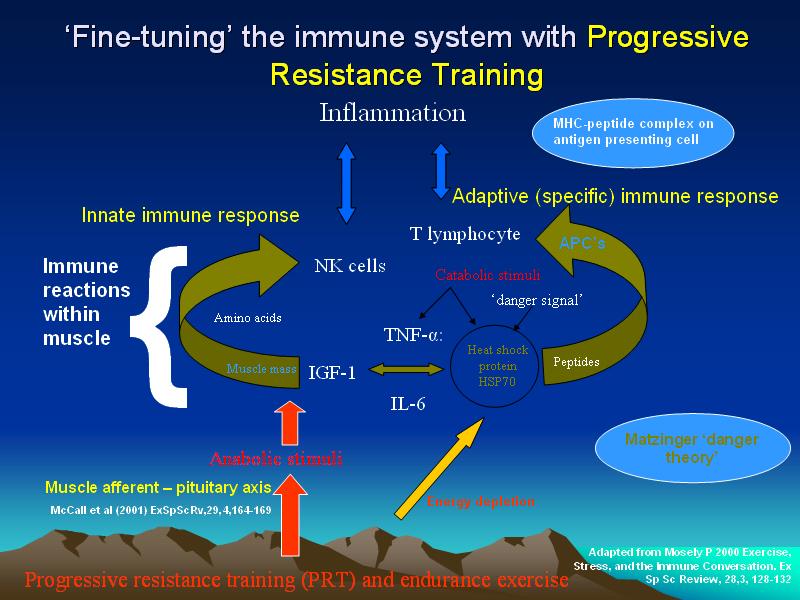
click on the image above to see an enlarged view
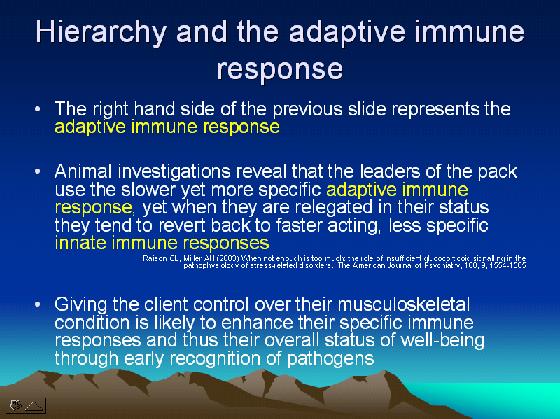
Hierarchy and the adaptive immune response
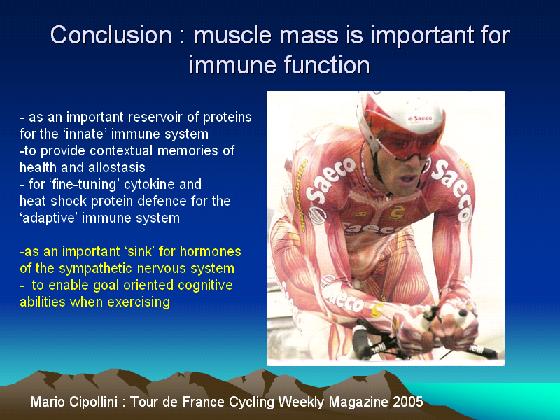
Conclusion : muscle mass is important to immune function
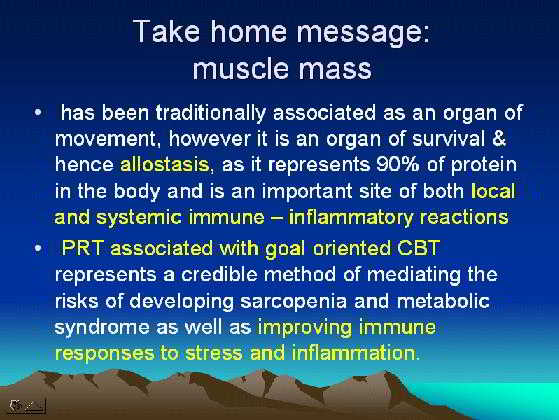
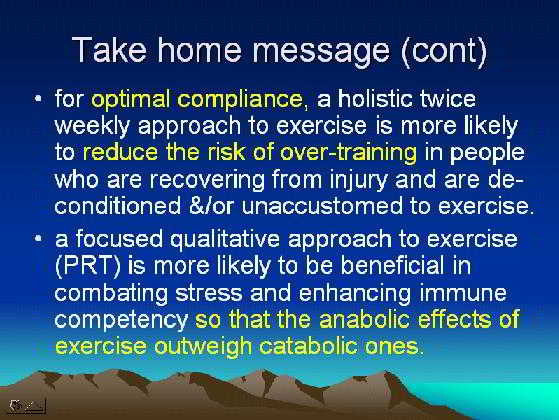
Take home message
- Muscle mass has been traditionally associated as an organ of movement, however it is an organ of survival and hence allostasis, as it represents 90% of protein in the body and is an important site of both local and systemic immune - inflammatory reactions
- Progressive resistance training (PRT) associated with goal oriented cognitive behavioral therapy (CBT) represents a credible method of mediating the risks of developing sarcopenia and metabolic syndrome as well as improving immune responses to stress and inflammation.
- Periodisation of training represents a credible method of stressing rather than straining the system. Additionally, specific plyometric exercise regimes have the potential to enhance the myofibrillar architecture thereby reducing the amount of trauma and inflammation occurring during weight bearing eccentric exercise regimes
- Nutritional supplementation and adequate time for recuperation will enhance immune responses
- Goal oriented specific task demands within given time frames and associated with appropriately timed feedback (both internal and external cues) will enhance allostasis and hence improve the immune response.
For more information please visit
Neuro-immune responses & cognitive behavioral therapy
Motor Learning and the acquisition of expertise
Periodisation of endurance training
Millar et al (Clin Orthop Relat Research, 2008, May 6) used a running rat model induced suprapsinatus tendonopathy to demonstrate the release of heat shock proteins. Additionally, the up-regulation of HSP was further demonstrated on patients undergoing arthroscopic stabilisation sugery (n=10). They concluded that these findinggs suggest that HSP play a role in the cascade of stress-activated programmed cell death and degeneration in tendonopathy.
also read
Sims Graeme (2003) Why Die? The extraordinary Percy Cerutty 'Maker of Champions' Lothian Books ISBN 0 7344 0540 5
Percy Cerutty 1895-1975 was the greatest track and field trainer Australia ever produced. He had a profound belief in movement efficiency and mental agility in the pursuit of excellence. www.lothian.com.au
Updated : 29 October 2017